

news
Balsa The Ideal Wood for Lightweight Structures

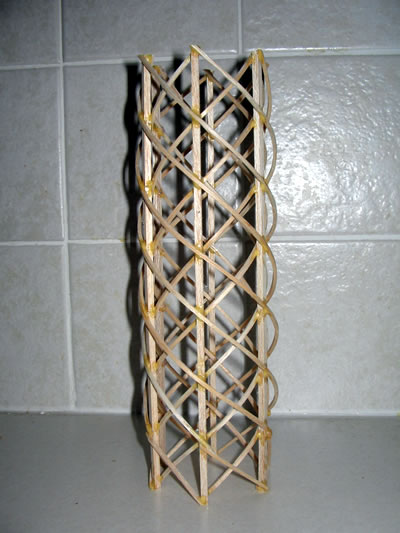
Balsa wood, the ideal wood for lightweight structures, has captivated designers and builders for decades. Its remarkable strength-to-weight ratio makes it an unparalleled choice for constructing light and sturdy structures. From intricate model airplanes to impressive architectural models, Balsa’s versatility shines. This article delves into the properties, applications, and advantages of Balsa, addressing the common challenges associated with choosing the right lightweight material. We’ll explore its unique characteristics, examine its suitability for diverse projects, and ultimately demonstrate why Balsa often tops the list of preferred materials for lightweight structures.
Understanding Balsa Wood
What is Balsa Wood?
Balsa wood, scientifically known as Ochroma pyramidale, is a South American hardwood known for its incredibly low density. This unique characteristic makes it exceptionally light, significantly reducing the overall weight of structures while maintaining structural integrity. Its soft texture, along with a fine, even grain, further adds to its appeal for model-making, particularly for aircraft models. The natural color of Balsa varies from a pale yellow-tan to a light beige, making it a visually appealing material, especially when used for intricate designs. This unique blend of properties makes Balsa a highly sought-after material for lightweight constructions.
The Benefits of Using Balsa
The advantages of Balsa wood extend far beyond aesthetics. Its remarkable properties provide several advantages. This sustainable wood resource exhibits excellent machinability, meaning it’s relatively easy to work with various tools, allowing for detailed shaping and intricate designs. Its low density translates to ease in handling and assembly, especially for delicate components in model building. The relatively low cost compared to other lightweight materials like aluminum or carbon fiber makes Balsa an affordable option for numerous projects, without compromising strength or quality.
Applications of Balsa in Lightweight Structures
Model Aircraft Construction
The most prominent application of Balsa is undoubtedly in model aircraft construction. The minimal weight combined with its exceptional strength allows for the creation of remarkably detailed and functional models. The wood’s adaptability also allows for intricate designs, enabling the reproduction of complex aircraft details and shapes. Manufacturers often utilize it for fuselages, wings, and other critical components in model aircraft, showcasing the material’s suitability for lightweight and precise applications.
Architectural Models
Balsa is also prevalent in the world of architectural design. Its light weight, coupled with its ability to be shaped and cut to complex curves, makes it ideal for creating detailed scale models of buildings, bridges, and other structures. Architects and designers frequently utilize it to visualize and communicate project concepts, ensuring that the design elements are fully understood before full-scale construction. Balsa’s low cost makes it an economically sound material for such detailed modeling.
Other Applications
Balsa wood’s uses extend beyond model building and architectural modeling to include creative projects. Its unique properties and malleability make it suitable for various craft projects, creating unique and appealing structures.
Balsa’s Properties and Strength
Density and Strength
Balsa wood’s remarkable light weight is a direct result of its incredibly low density. This exceptional characteristic allows for lightweight structures without sacrificing strength. While its density is significantly lower than other woods, it still provides substantial resistance to warping and bending under normal use. This combination of lightness and strength is precisely what makes it so valuable for demanding applications.
Sourcing and Sustainability
Sustainable Sourcing
With increasing demand for sustainable materials in construction, Balsa’s sustainable harvesting practices are becoming more important. The trees are often managed in a way that ensures sustained yield without damaging the environment. This makes it a responsible material choice for environmentally conscious architects and designers.
Ethical Considerations
The sourcing of Balsa wood should also be evaluated to ensure ethical harvesting practices. Understanding the supply chain and ensuring that the materials are sourced from sustainable and well-managed forests is crucial.
Conclusion
Balsa as a Key Material in Lightweight Construction
Balsa wood is a lightweight and strong option for various applications, demonstrating its versatility in multiple industries. Its superior properties make it ideal for lightweight structural components. The demand for Balsa wood is consistently high due to its exceptional properties, making it a valuable and preferred choice.
What are some alternative materials to Balsa wood for lightweight structures?
Alternatives to Balsa wood for lightweight structures include bamboo, carbon fiber, and certain types of plastics. The choice of material ultimately depends on the specific project requirements and budget constraints. Each alternative brings its own unique set of advantages and disadvantages.
In conclusion, Balsa wood stands out as an exceptional choice for lightweight structures, thanks to its remarkable strength-to-weight ratio. Its versatility extends beyond its initial use, making it a valuable material in various industries. Whether you are designing a model airplane or constructing a large-scale architectural model, Balsa delivers a lightweight, yet sturdy, solution. We encourage you to explore the possibilities of Balsa. Contact us today to discuss your project requirements and discover how Balsa can elevate your design.