

news
Paulownia Wood Eco-Friendly and Lightweight

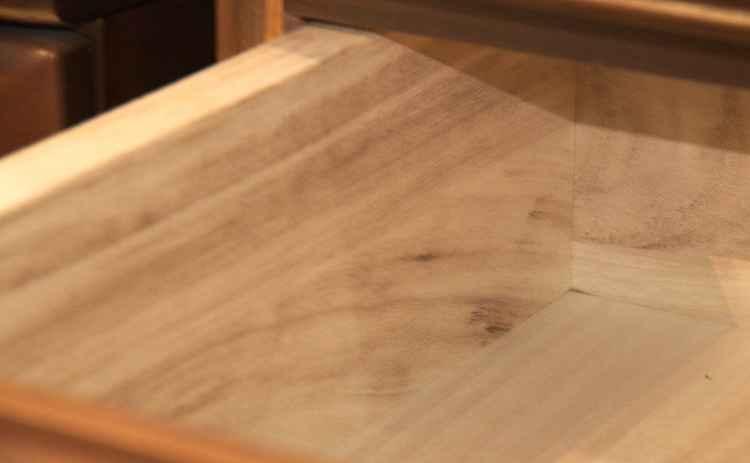
Paulownia wood is rapidly gaining recognition as an eco-friendly and lightweight alternative to traditional building materials. Imagine a world where construction projects have a minimal environmental footprint, and where furniture is both durable and lightweight. This revolutionary wood, sourced from fast-growing trees, offers a compelling solution to the pressing need for sustainable alternatives. This article explores the benefits of using Paulownia wood, its environmental advantages, various applications, and addresses potential concerns. We’ll also discuss its unique properties and how it compares with other materials. We’ll also address the practicalities of incorporating this material into real-world projects.
Understanding Paulownia Wood’s Eco-Friendly Nature
Paulownia’s Rapid Growth and Sustainable Sourcing
Paulownia trees are renowned for their exceptionally fast growth rates, often surpassing other hardwood species within a few years. This rapid growth translates to a significantly shorter time frame for harvesting, minimizing the impact on the environment. Unlike some other commercially sourced woods, the Paulownia tree is a fast renewable resource, which means less pressure on endangered or slow-growing tree species. Sustainable forestry practices are crucial to responsible sourcing, ensuring the long-term availability of this remarkable resource for future generations.
Exploring the Lightweight Properties of Paulownia Wood
Lightweight yet Durable Construction
Paulownia wood is surprisingly lightweight, significantly reducing the overall weight of structures. This characteristic makes it ideal for a variety of applications, such as furniture, flooring, and even in architectural design. While lightweight, Paulownia wood retains remarkable strength and durability. This combination of lightness and strength results in a material ideal for both structural components and decorative pieces.
Diverse Applications of Paulownia Wood
Furniture Design and Construction
The lightweight and visually appealing nature of Paulownia wood makes it an excellent choice for furniture design. It’s ideal for creating light yet durable pieces, from chairs and tables to beds and cabinets. The smooth, consistent surface of Paulownia also makes it well-suited for finishing processes, allowing for a wide range of aesthetic options. Consider a study that highlighted the use of Paulownia wood in creating unique and affordable pieces for modern homes.
Paulownia Wood in Architectural Design
Innovative Use Cases in Building Construction
Paulownia’s lightweight and strong properties make it a promising material in architectural design. Imagine prefabricated housing components made from Paulownia, significantly reducing the weight and transportation costs associated with construction. Architectural designers are experimenting with using Paulownia to create innovative and visually appealing structures, often emphasizing its aesthetic features alongside its sustainability benefits. Explore architectural magazines and websites to witness these groundbreaking designs.
Environmental Impact and Sustainability
Carbon Footprint Reduction
The reduced environmental impact of using Paulownia is a significant advantage. Its rapid growth helps to offset the carbon footprint of traditional timber harvesting. The trees absorb significant amounts of CO2 during their lifetime, directly contributing to a lower carbon footprint in comparison to other wood sources. Consider a recent study that quantified the carbon sequestration rates of Paulownia plantations.
Comparison with other building materials
Assessing Strengths and Weaknesses
When considering Paulownia wood against other building materials, several factors come into play. Its lightweight nature, for example, translates to lower transportation and installation costs. However, it might exhibit slightly lower compressive strength compared to hardwoods. Further research should be conducted to assess specific needs for specific applications before choosing Paulownia over more robust materials.
In conclusion, Paulownia wood’s eco-friendly and lightweight nature makes it a compelling alternative to traditional materials. Its rapid growth, reduced environmental impact, and versatility in applications offer a sustainable solution for various industries. If you’re seeking a sustainable and innovative option for your next project, consider exploring the possibilities of Paulownia wood. Contact us today to learn more and discuss how we can integrate this exceptional material into your plans.