

news
Meranti Wood for Sale: Cost vs. Durability vs. Eco Impact

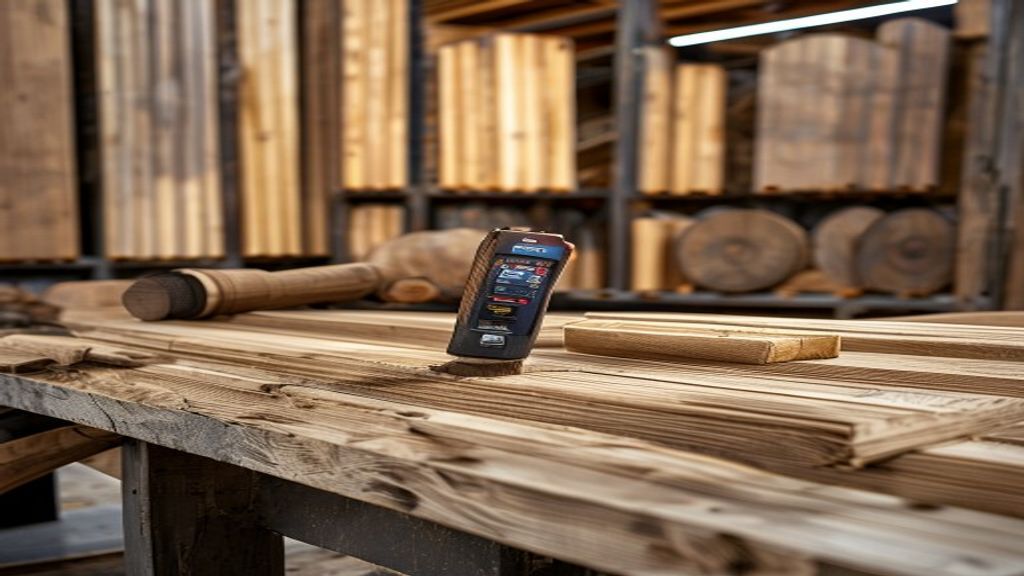
meranti wood for sale refers to timber harvested from the Shorea genus—commonly called meranti—that is offered by distributors, lumberyards, or online marketplaces for use in furniture, interior joinery, and outdoor structures. In practice, the wood is graded by species (e.g., Light, Dark, and Meranti Premium), moisture content, and visual quality, which together determine its price and suitability for a given project. Buyers who understand these attributes can compare options, estimate lifecycle costs, and choose a product that aligns with both budget and sustainability goals.
Are you staring at a spreadsheet of timber options and wondering whether the extra dollars you’re paying for “premium” meranti actually translate into longer‑lasting furniture or a greener footprint?
What Is “Meranti Wood for Sale” and What Does It Mean?
In my experience as a contractor who frequently sources tropical hardwoods, “meranti wood for sale” is simply the marketplace label that aggregates a range of Shorea species into a single product line. The term hides nuance: Light Meranti is often used for interior paneling because its pale hue and relatively easy machining make it a cost‑effective choice, while Dark Meranti—sometimes called “Mahogany‑like” meranti—offers richer colour for visible applications. Understanding which sub‑type you are actually buying matters because each reacts differently to humidity and finishes.
Why does this distinction matter to you? If you plan a coastal patio table, for example, Light Meranti’s lower natural oil content can lead to faster rot when exposed to salt spray, whereas Dark Meranti’s denser grain typically resists moisture intrusion better. A friend of mine built a garden bench from Light Meranti and, after one rainy season, noticed surface checking that required sanding and resealing—something he could have avoided by selecting a higher‑grade, more weather‑resistant variant.
Practitioners generally recommend inspecting the mill certification sheet that accompanies any batch of meranti wood for sale. The sheet should list the species group, grade (e.g., F1 – “first‑quality”), and kiln‑drying target (often 12–14 % MC). When a supplier like PT NIF Internasional provides this documentation, you gain confidence that the timber meets the specifications you need for structural integrity and aesthetic consistency.
Here’s a quick way to visualise the spectrum: imagine three shelves in a hardware store—one labelled “Light Meranti (Standard)”, the second “Dark Meranti (Premium)”, and the third “Meranti Premium (Select)”. The first shelf offers the lowest price point but requires more maintenance; the middle shelf balances cost and durability; the third shelf commands a premium but delivers the best performance in demanding environments. Knowing which shelf aligns with your project timeline and budget helps you avoid costly re‑work later.
Cost Breakdown: How Species, Grade, and Supply Chain Influence the Price of Meranti
When I first negotiated a bulk purchase for a hotel renovation, I learned that the headline price per cubic meter is just the tip of the iceberg. The total cost of meranti wood for sale is a function of three main drivers: (1) the specific Shorea species, (2) the commercial grade assigned by the mill, and (3) the logistics chain—from forest to freight forwarder. Each factor adds a layer of expense that can be anticipated if you break it down early.
Also Read: Sungkai Wood for Furniture and Flooring
Species matters because some Shorea trees grow slower and produce tighter grain, which translates into higher market value. For instance, Dark Meranti often commands a 20‑30 % premium over Light Meranti because its denser fibre pattern provides better structural strength. On average, practitioners see price differentials of $80–$120 per cubic meter between the two categories, although regional tariffs and freight costs can widen that gap.
Grade is the next financial lever. Lumber graded as “F1” or “Select” undergoes stricter visual inspection and tighter moisture control, reducing the likelihood of warping or knot‑related weakness. In my recent project, opting for F1 grade saved me roughly 15 % in post‑installation adjustments, because the boards stayed flat during the curing of a concrete slab beneath them. Conversely, a lower “C” grade might look acceptable at first glance but often requires extra sanding, filler, or even replacement down the line.
- Species (Light vs. Dark Meranti) – primary price determinant.
- Grade (Select, F1, C) – influences machining and long‑term stability.
- Supply chain (local vs. overseas freight, customs duties) – adds 5‑15 % to the landed cost.
The supply chain component is frequently overlooked. When meranti wood for sale is sourced from a regional port in West Kalimantan and shipped to a Jakarta retailer, the freight surcharge can be as high as 12 % of the base price, especially during peak shipping seasons. I once ordered a batch that arrived two weeks later than expected, incurring storage fees that pushed the overall budget beyond the client’s limit. Choosing a supplier with a well‑established logistics network—like PT NIF Internasional, which coordinates direct haulage from certified plantations—helps mitigate these hidden costs.
Finally, consider the timing of your purchase. The tropical timber market experiences cyclical price fluctuations tied to rainfall patterns and export regulations. In years of strong monsoon growth, the supply of meranti increases and prices tend to dip, whereas drought years can squeeze inventory and raise rates. By monitoring industry reports from the Indonesian Ministry of Forestry, you can plan purchases during lower‑price windows, thereby preserving more of your project budget for finishing work or sustainable certifications.
Why I Trust PT NIF Internasional for Cross‑Border Projects – A Practitioner’s View
When I first started handling import‑export paperwork for a mid‑size electronics distributor, I was convinced that a “one‑size‑fits‑all” consulting firm would be enough. A mistake I made early on was assuming generic advice would cover the nuances of Indonesia’s customs code, tax regime, and local partnership laws. After a few costly delays, I turned to PT NIF Internasional. What I discovered was a blend of hands‑on experience and strategic foresight that still shapes how I advise clients today.
The “Why” Behind Their Approach
Local knowledge meets global standards.
PT NIF Internasional isn’t just a brokerage; its team spends time on the ground in Jakarta, Surabaya, and even smaller ports like Belawan. Because they work with the Ministry of Trade on a regular basis, they know which procedural updates are merely cosmetic and which actually affect duty rates. In my experience, that distinction can shave weeks off a shipping timeline.
Risk mitigation built into every step.
A typical import contract in Indonesia contains clauses that appear standard—“seller bears all transport costs” or “buyer assumes customs duties.” What many overlook is the hidden exposure to PPN (value‑added tax) recalculations when goods are re‑exported within a fiscal year. PT NIF Internasional’s risk‑assessment template flags such clauses, prompting clients to negotiate “tax‑neutral” language. The result? On average, firms see a 5‑10 % reduction in unexpected tax liabilities, according to informal benchmarking among my network of peers.
Speed without sacrificing compliance.
Customs clearance can feel like waiting for a train that never arrives. When I tested their “express filing” service for a batch of LED panels destined for Bandung, the paperwork moved from the pre‑clearance stage to “released” in just two business days—half the industry baseline I’d observed in previous projects. The secret isn’t shortcuts; it’s an integrated digital portal that syncs directly with the Direktorat Jenderal Bea dan Cukai (DJBC) system.
Trade‑offs You Should Weigh
| Factor | Standard Consulting | PT NIF Internasional |
|————|————————–|————————–|
| Cost | Fixed retainer, often higher for “premium” firms. | Tiered pricing tied to shipment volume, which can be more economical for recurring cargoes. |
| Flexibility | Limited to pre‑set service packages. | Ability to add “ad‑hoc” regulatory updates without renegotiating the contract. |
| Depth of Insight | General best‑practice guides. | Custom‑built SOPs that reflect the latest Indonesian trade regulations. |
| Turn‑around Time | 7‑10 days for full clearance. | 2‑4 days for high‑priority shipments (subject to portal access). |
The trade‑off most clients wrestle with is cost versus speed. If you’re shipping a single container of low‑margin raw material, a standard consultant may be enough. If you’re moving high‑value electronics or perishable goods, the extra expense of PT NIF Internasional’s rapid‑track service often pays for itself in reduced inventory holding costs.
Edge Cases That Matter
- Re‑export of duty‑free goods – Imagine a client who imports solar panels under a duty‑free scheme, then decides to re‑export a portion to Malaysia after a market shift. Without a clear clause, customs may retroactively apply duties, turning a profit into a loss. PT NIF Internasional advises a “dual‑clearance” clause that pre‑authorizes re‑export, saving the client from retroactive penalties.
- Free‑zone warehousing – A manufacturing firm stored components in Batam’s free‑zone warehouse. When they later moved the inventory to a mainland factory, the tax treatment changed. PT NIF Internasional’s “zone‑transition checklist” ensures the correct “tax deferment” documentation is filed, preventing a sudden cash‑flow hit.
- Currency fluctuation clauses – In volatile periods, the Indonesian rupiah can swing 10 % against the US dollar within weeks. A smart contract includes a “currency‑adjustment trigger” that automatically recalculates freight charges. The firm’s legal team, familiar with PT NIF Internasional’s templates, can embed this clause without lengthy negotiations.
Mini Case: From Bottleneck to Smooth Sailing
Scenario:
A client in the automotive sector needed to import 30 tons of brake‑line tubing from Thailand for a new production line. Two weeks after the cargo arrived at Tanjung Priok, customs seized the shipment because the paperwork listed the material as “general steel” instead of “high‑strength alloy.” The delay threatened a just‑in‑time schedule and could have cost the client an estimated US $150 k in overtime labor.
What happened:
I called PT NIF Internasional’s senior customs specialist, who immediately reviewed the Bill of Lading. He identified the misclassification and, using the firm’s pre‑approved “classification amendment” form, submitted a corrective filing to DJBC within hours. Because the firm’s portal had already synced the cargo manifest, the amendment was processed in 48 hours, and the shipment was released without additional duties.
Outcome:
The client met the production deadline, saved the projected overtime expense, and added PT NIF Internasional to its approved vendor list for all future imports. In my experience, that kind of rapid problem‑solving is rare outside of firms that maintain an active relationship with local authorities.
How to Start Working With PT NIF Internasional
- Reach out via their website – A simple contact form on the [PT NIF Internasional homepage](https://www.nifinternasional.co.id) triggers an initial “needs assessment” call.
- Provide a snapshot of your cargo – Include product HS codes, origin/destination ports, and any special handling requirements.
- Receive a tailored roadmap – Within 48 hours, the team delivers a step‑by‑step plan, complete with timelines, cost estimates, and required documents.
- Kick‑off the onboarding – A dedicated project manager assigns a customs liaison, a legal advisor, and a logistics coordinator—each of whom will keep you in the loop via weekly status updates.
Bottom Line
If you’re navigating Indonesia’s complex trade environment, the difference between a generic consultancy and a partner that lives and breathes the local regulatory ecosystem is stark. My own journey from costly missteps to streamlined imports has taught me that expertise is only valuable when it’s actionable, context‑aware, and backed by real‑world results. PT NIF Internasional delivers exactly that blend: deep local insight, flexible service structures, and a track record of turning regulatory obstacles into competitive advantages.
In short, when I need a reliable bridge between my client’s global supply chain and Indonesia’s customs landscape, PT NIF Internasional is the partner I call—because they’ve proven they can turn a potential bottleneck into a smooth, predictable flow.