

news
Sustainably Sourced Rattan Wood for Export Markets

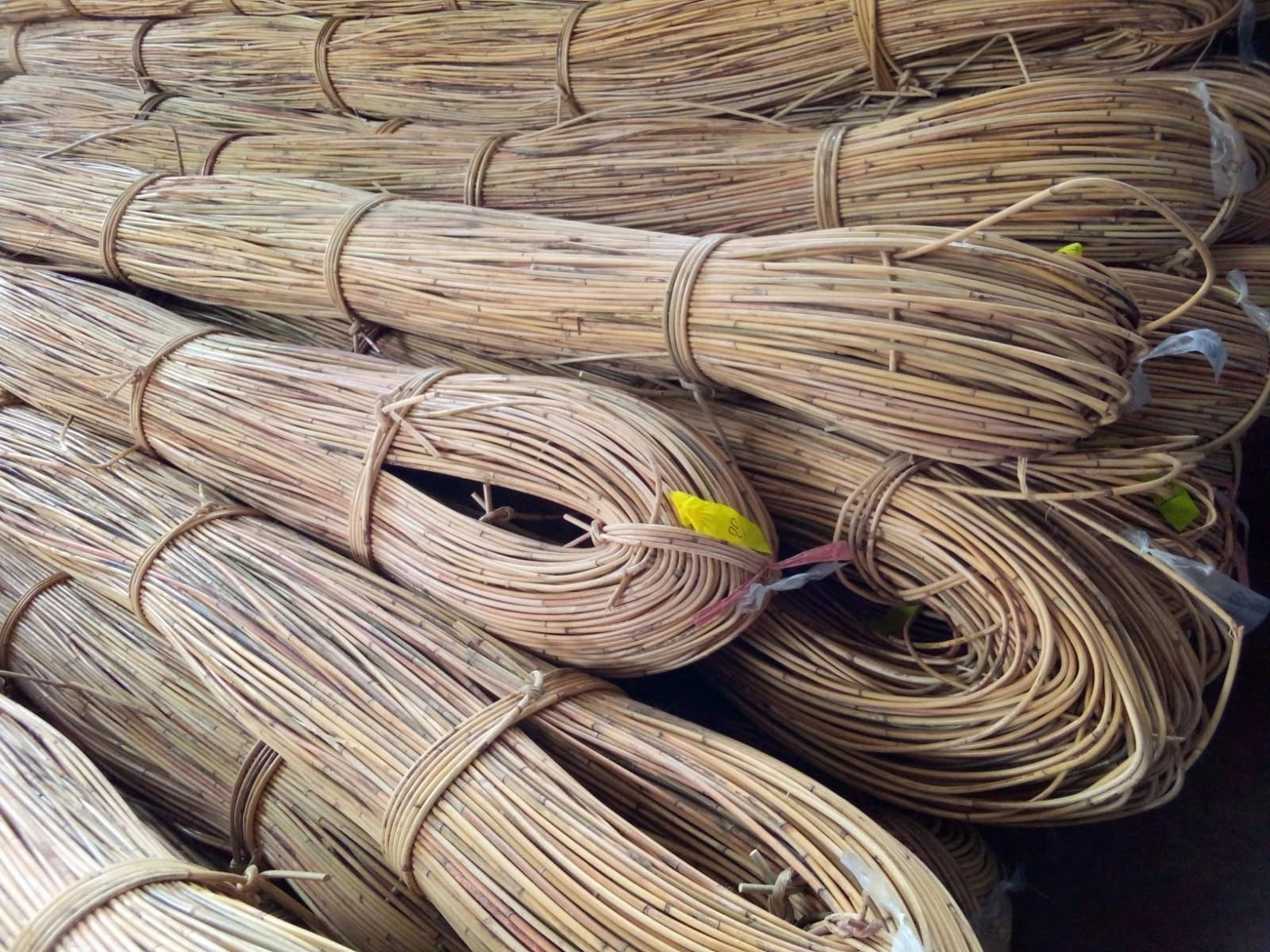
Sustainably Sourced Rattan Wood for Export Markets is becoming increasingly popular due to its eco-friendly and durable nature. Rattan wood is a highly versatile material that can be used to create a wide range of products, from furniture and home decor to accessories and packaging materials. The demand for sustainably sourced rattan wood is on the rise, particularly in export markets where consumers are becoming more environmentally conscious. As a result, many companies are now focusing on sourcing rattan wood in a sustainable and responsible manner.
The use of sustainably sourced rattan wood for export markets has numerous benefits, both for the environment and for businesses. Not only does it help to reduce the carbon footprint of companies, but it also provides a unique selling point that can help to differentiate products from those of competitors. Additionally, sustainably sourced rattan wood is often of higher quality and more durable than non-sustainably sourced alternatives, which can help to increase customer satisfaction and loyalty. With the growing demand for eco-friendly products, companies that prioritize sustainability are likely to see significant benefits in terms of brand reputation and customer loyalty.
One of the key challenges facing companies that want to source rattan wood sustainably is finding reliable and responsible suppliers. This can be particularly difficult in countries where regulations and enforcement may be lacking. However, there are many organizations and certifications that can help to ensure that rattan wood is sourced in a sustainable and responsible manner. For example, the Forest Stewardship Council (FSC) certification is widely recognized as a guarantee of sustainable forestry practices. By working with FSC-certified suppliers, companies can be confident that their rattan wood is being sourced in a way that minimizes harm to the environment and respects the rights of local communities.
Sustainably Sourced Rattan Wood for Export Markets: Benefits and Challenges
The benefits of using sustainably sourced rattan wood for export markets are numerous. Not only does it help to reduce the environmental impact of companies, but it also provides a unique selling point that can help to differentiate products from those of competitors. Some of the key benefits of sustainably sourced rattan wood include:
- Reduced carbon footprint: Sustainably sourced rattan wood has a lower carbon footprint than non-sustainably sourced alternatives, which can help to reduce the environmental impact of companies.
- Increased customer loyalty: Consumers are becoming increasingly environmentally conscious, and companies that prioritize sustainability are likely to see significant benefits in terms of brand reputation and customer loyalty.
- Improved product quality: Sustainably sourced rattan wood is often of higher quality and more durable than non-sustainably sourced alternatives, which can help to increase customer satisfaction and reduce waste.
Despite the many benefits of sustainably sourced rattan wood, there are also several challenges that companies may face. One of the key challenges is finding reliable and responsible suppliers, particularly in countries where regulations and enforcement may be lacking. Additionally, sustainably sourced rattan wood may be more expensive than non-sustainably sourced alternatives, which can be a barrier for companies that are looking to reduce costs.
Tips for Sourcing Sustainably Sourced Rattan Wood for Export Markets
There are several tips that companies can follow to ensure that they are sourcing sustainably sourced rattan wood for export markets. Some of these tips include:
- Research suppliers carefully: Companies should research potential suppliers carefully to ensure that they are sourcing rattan wood in a sustainable and responsible manner.
- Look for certifications: Companies should look for certifications such as the FSC certification, which is widely recognized as a guarantee of sustainable forestry practices.
- Build relationships with suppliers: Companies should build relationships with suppliers to ensure that they are sourcing rattan wood in a way that minimizes harm to the environment and respects the rights of local communities.
By following these tips, companies can be confident that they are sourcing sustainably sourced rattan wood for export markets in a way that is environmentally responsible and socially sustainable.
The Future of Sustainably Sourced Rattan Wood for Export Markets
The future of sustainably sourced rattan wood for export markets looks bright. As consumers become increasingly environmentally conscious, the demand for eco-friendly products is likely to continue to grow. Companies that prioritize sustainability are likely to see significant benefits in terms of brand reputation and customer loyalty, and those that fail to adapt may be left behind. Additionally, governments and organizations are increasingly recognizing the importance of sustainable forestry practices, and are implementing regulations and certifications to ensure that companies are sourcing rattan wood in a responsible manner.
As the demand for sustainably sourced rattan wood continues to grow, companies are likely to face increasing pressure to prioritize sustainability. This may involve investing in new technologies and processes, as well as building relationships with suppliers and stakeholders. However, the benefits of sustainably sourced rattan wood are likely to far outweigh the costs, and companies that prioritize sustainability are likely to see significant benefits in the long term.
Ideas for Using Sustainably Sourced Rattan Wood for Export Markets
There are many ideas for using sustainably sourced rattan wood for export markets. Some of these ideas include:
- Furniture: Sustainably sourced rattan wood can be used to create a wide range of furniture products, from chairs and tables to beds and sofas.
- Home decor: Sustainably sourced rattan wood can be used to create a wide range of home decor products, from baskets and vases to wall art and decorative accessories.
- Accessories: Sustainably sourced rattan wood can be used to create a wide range of accessories, from handbags and wallets to jewelry and watches.
By using sustainably sourced rattan wood, companies can create products that are not only eco-friendly, but also unique and durable.
As the demand for sustainably sourced rattan wood continues to grow, companies are likely to face increasing pressure to prioritize sustainability. However, the benefits of sustainably sourced rattan wood are likely to far outweigh the costs, and companies that prioritize sustainability are likely to see significant benefits in the long term. If you are interested in learning more about sustainably sourced rattan wood for export markets, or would like to place an order, please contact us through our website or visit our contact information page. We would be happy to discuss your needs and provide you with more information about our products and services.